
Understanding Vehicle Lighting Systems: Critical Components for Safe Driving in San Fernando Valley

Vehicle lighting systems are essential safety components that allow drivers to see clearly and remain visible to other drivers. These systems consist of multiple interconnected parts that work together to illuminate the road and signal your intentions to other vehicles. Understanding your car's lighting systems helps you maintain optimal visibility and comply with California safety regulations.
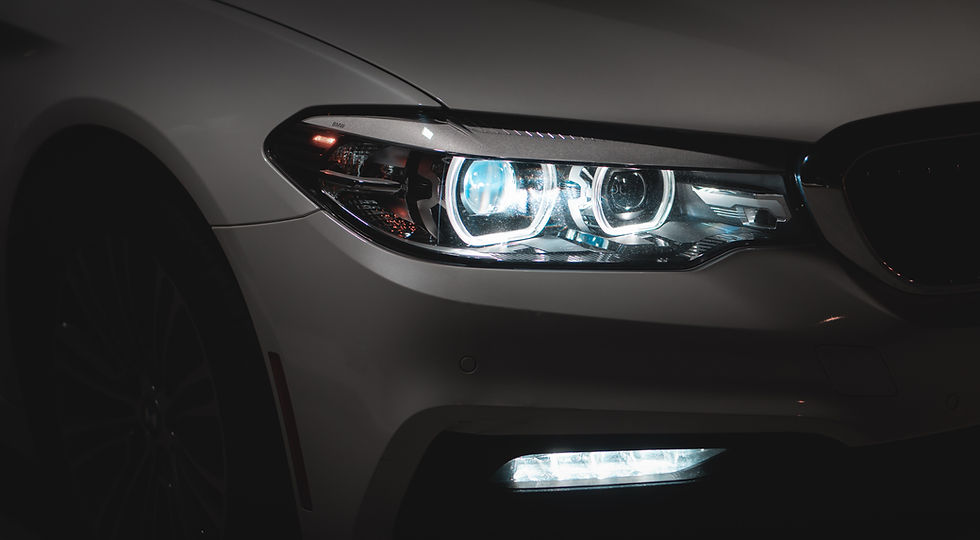
Primary Lighting System Components
Vehicle lighting systems contain several key components. The headlight assembly houses the main forward-facing lights and includes both high-beam and low-beam functions. High-beam lights provide maximum illumination for dark roads with no oncoming traffic. Low-beam lights offer adequate forward visibility while preventing glare for approaching drivers.
The taillight assembly contains rear-facing lights that make your vehicle visible from behind. These lights include brake lights, turn signals, reverse lights, and running lights. The brake light system activates automatically when you press the brake pedal, alerting following drivers that you are slowing down or stopping.
Turn signal lights indicate your intention to change lanes or turn. These lights flash in a rhythmic pattern and are located at both front and rear corners of your vehicle. Hazard lights use the same bulbs as turn signals but activate all four corners simultaneously to warn other drivers of a stationary or slow-moving vehicle.
Advanced Lighting Technologies
Modern vehicles often include adaptive headlight systems that adjust beam direction based on steering input and vehicle speed. These systems improve visibility around curves and corners by directing light where the vehicle is heading rather than straight ahead.
LED lighting technology has replaced traditional incandescent bulbs in many newer vehicles. LED stands for Light Emitting Diode. LED lights consume less electrical power, produce less heat, and typically last longer than conventional bulbs.
Daytime running lights (DRLs) are low-intensity lights that operate automatically when the vehicle is running. These lights increase your vehicle's visibility to other drivers during daylight hours without requiring manual activation.
Common Lighting System Problems
Bulb failure represents the most common lighting system issue. Incandescent bulbs contain filaments that break over time due to vibration and heat cycles. LED lights can fail due to electronic component degradation or moisture intrusion.
Electrical connection problems cause intermittent or complete lighting failures. Corrosion at connection points disrupts electrical flow and creates unreliable operation. Damaged wiring harnesses can cause multiple lights to malfunction simultaneously.
Lens damage reduces lighting effectiveness even when bulbs function properly. Cracked or cloudy headlight lenses scatter light and reduce forward illumination. Oxidation creates a hazy appearance on plastic lenses that blocks light output.
Warning Signs of Lighting Problems
Several symptoms indicate lighting system issues that require attention. Flickering lights suggest loose connections or failing bulbs. Dim light output may indicate corroded connections, failing bulbs, or damaged lenses.
Dashboard warning lights alert you to specific lighting failures. Modern vehicles monitor lighting circuits and display warnings when problems occur. The turn signal indicator flashing rapidly typically means one turn signal bulb has failed.
Water inside light housings indicates seal failure. Moisture causes bulb failure, electrical corrosion, and reduced light output. Condensation inside headlight or taillight assemblies requires immediate attention to prevent further damage.
Proper Lighting Maintenance
Regular inspection prevents lighting failures and ensures optimal performance. Check all exterior lights monthly by walking around your vehicle while someone operates each lighting function. Replace failed bulbs immediately to maintain safety and avoid traffic citations.
Clean light lenses regularly to remove dirt, grime, and oxidation. Use appropriate cleaning products designed for automotive plastics. Headlight restoration services can remove oxidation and restore clarity to cloudy lenses.
Professional electrical diagnosis identifies complex lighting problems that simple bulb replacement cannot fix. Auto repair technicians use specialized tools to test circuits and identify root causes of electrical failures.
Professional Lighting Services
An experienced mechanic can diagnose complex lighting system problems using professional diagnostic equipment. These tools identify electrical faults, test circuit continuity, and measure voltage levels throughout the lighting system.
Headlight alignment services ensure your lights illuminate the road properly without blinding oncoming drivers. Misaligned headlights reduce your visibility and create safety hazards for other drivers. Professional alignment uses specialized equipment to position lights according to manufacturer specifications.
Complete lighting system retrofits can upgrade older vehicles with modern lighting technology. These services improve visibility and enhance vehicle appearance while maintaining compatibility with existing electrical systems.
Impact on Safety and Legal Compliance
Properly functioning vehicle lights are required by California law for all registered vehicles. Traffic enforcement officers can issue citations for any non-functional required lighting equipment. These citations often result in fix-it tickets that require professional verification of repairs.
Adequate lighting significantly reduces accident risk during low-visibility conditions. Statistics show that properly maintained lighting systems prevent many nighttime and weather-related collisions. Regular maintenance protects your safety investment and reduces liability exposure.
San Fernando Valley Driving Considerations
Woodland Hills, Tarzana, and Calabasas drivers face unique lighting challenges due to varied terrain and weather conditions. Mountain roads require properly aimed headlights for safe navigation around curves and elevation changes.
Seasonal weather patterns affect lighting system performance. Winter rain and fog reduce visibility and stress lighting components. Summer heat accelerates bulb failure and can damage plastic lens materials.
Urban driving environments create different lighting demands than highway driving. Stop-and-go traffic increases brake light usage while frequent turns stress turn signal systems. Regular inspection becomes even more important for city drivers.
Frequently Asked Questions
How often should I check my vehicle's lights? Check all exterior lights monthly and before long trips. This includes headlights, taillights, turn signals, brake lights, and hazard lights.
When should I replace headlight bulbs? Replace headlight bulbs when they fail or produce noticeably dim light. Some drivers replace bulbs in pairs to maintain consistent light output.
Can I replace vehicle light bulbs myself? Simple bulb replacement is possible for many vehicles, but complex systems or hard-to-reach locations may require professional installation.
How do I know if my headlights need alignment? Signs include uneven light patterns on the road, oncoming drivers flashing their lights at you, or recent collision repair that may have affected headlight position.
What causes headlight lenses to become cloudy? UV exposure, heat, and environmental contaminants cause plastic headlight lenses to oxidize and become cloudy over time.


